
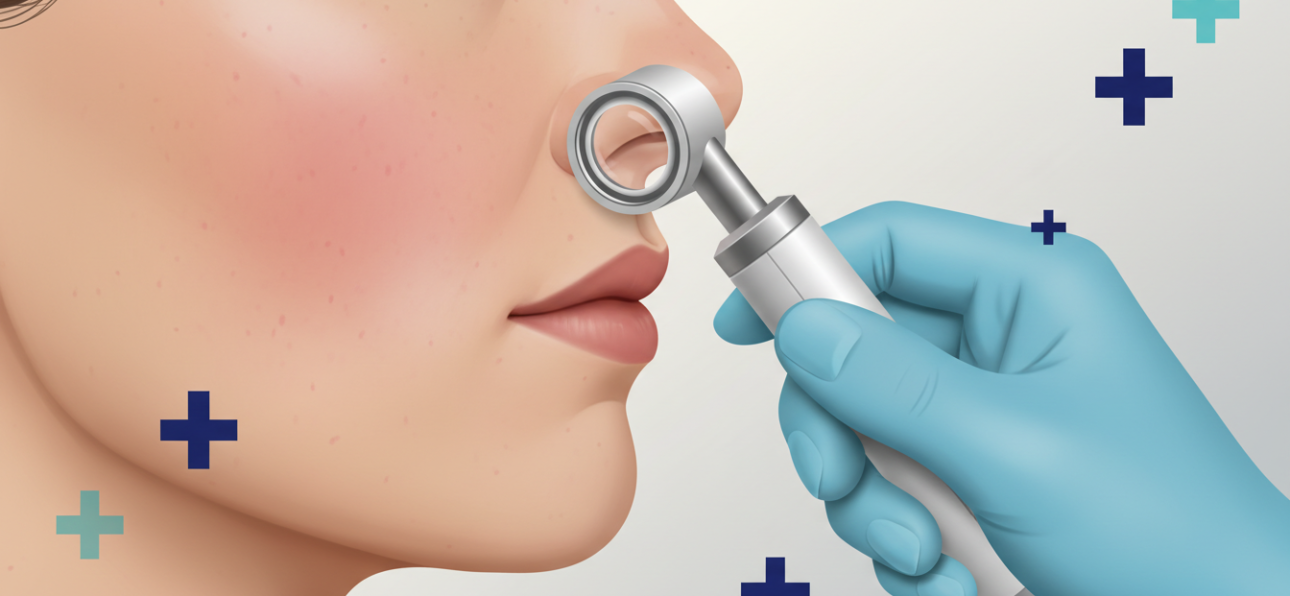
Ivermectin is used in certain prescription formulations for specific conditions. In the United States, topical ivermectin cream 1% is indicated for inflammatory lesions of rosacea. Research and treatment decisions should be based on the formulation, approved labeling, and advice from a qualified healthcare professional—not on claims about unrelated uses.
What is rosacea?
Rosacea is a long-term skin condition that may cause facial redness, flushing, visible blood vessels, and acne-like inflammatory bumps. Symptoms and triggers vary. A dermatologist or other qualified clinician can help distinguish rosacea from acne, dermatitis, and other conditions that may look similar.
What does the evidence say about topical ivermectin?
Prescription ivermectin cream 1% is indicated to treat inflammatory lesions of rosacea. The exact way it improves rosacea is not fully understood. The U.S. prescribing information directs patients to apply it to affected facial areas as prescribed and to avoid the eyes and lips. Follow the directions supplied with your own prescription; do not substitute oral or veterinary products.
Possible side effects and precautions
Reported local reactions can include a burning sensation, skin irritation, or dermatitis. Read the medication guide and prescribing information, and contact your healthcare professional if symptoms are severe, persistent, or concerning. Tell your clinician about other medicines and skin products you use, allergies, pregnancy or breastfeeding, and relevant medical history.
What ivermectin does not mean
Evidence for a particular topical prescription use does not establish that every ivermectin product is suitable for rosacea or that ivermectin treats other conditions. Do not use animal ivermectin on yourself, change a prescribed dose, or use ivermectin for an unapproved purpose without professional guidance.
Questions to ask your dermatologist
- Are my symptoms consistent with rosacea, or could another condition be responsible?
- Is prescription ivermectin cream appropriate for my skin and medical history?
- How should I use it alongside cleanser, moisturizer, sunscreen, or other treatments?
- When should I expect a review, and what should I do if irritation occurs?
Trusted sources
Read the DailyMed prescribing information for ivermectin cream and the American Academy of Dermatology’s rosacea treatment guidance. For individual diagnosis or treatment, speak with a qualified healthcare professional.
This article is for educational purposes only and is not a substitute for diagnosis or treatment from a qualified healthcare professional.


5 Comments
This is exactly what i was looking for, thank you so much for these tutorials
It would be great to try this theme for my businesses
What a nice article. It keeps me reading more and more!
[…] ivermectin creams are approved in the United States for inflammatory lesions associated with rosacea. These products are intended for use on the skin according to their specific prescribing […]
[…] Ivermectin and Rosacea: What Current Research Study Says […]